Curated & Co-designed Knowledge
Resources are organised to help users find credible information without navigating fragmented sources alone.
Ozeaon Educational Resources are designed to help users move from awareness into applied understanding, contribution, and real-world action.
Join Ozeaon to learn from open, FAIR-aligned resources and turn knowledge into regenerative action.
Educational Resources are Ozeaon's structured learning and knowledge-access layer.
They are co-designed for people who want to learn about ocean, climate, land, sustainability, open science, biomaterials, ecosystem services, regenerative finance, culture, policy, and practical innovation — without needing to start inside an academic institution or specialist network.
Resources are organised to help users find credible information without navigating fragmented sources alone.
Subjects are structured across science, design, health, economy, culture, regulation, warnings, and social empowerment.
Where appropriate, resources link back to original research, references, authors, organisations, and further reading.
Learning connects to articles, projects, open calls, organisations, and future participation tools.
Knowledge about ocean, climate, and regenerative innovation is growing rapidly, but it is often difficult to access, interpret, and apply.
Resources are organised by topic, category, and subject.
Summaries and explainers help translate complex ideas.
Resources connect to projects, opportunities, and participation.
Source links, metadata, categories, and references support credibility.
Ozeaon's Educational Resources are organised across transdisciplinary categories that reflect the interconnected nature of ocean, climate, land, and sustainability challenges.


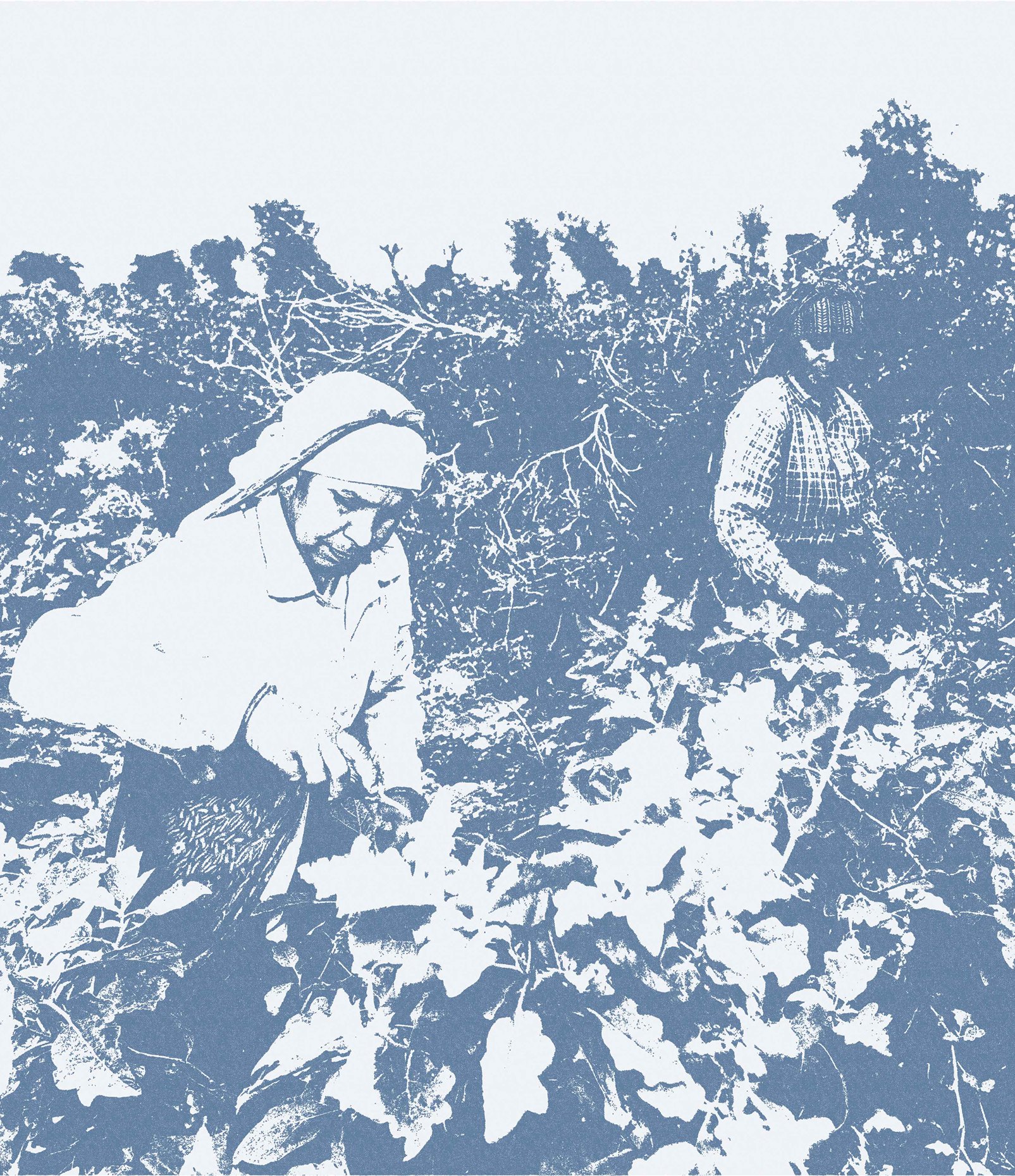
The Indigenous Knowledge Hub is a dedicated space within Ozeaon's Educational Resources for knowledge connected to Indigenous peoples, local communities, cultural heritage, and place-based ecological practices.
Not all knowledge should be treated the same way — some can be openly shared, while some requires permission, community review, or cultural protocols, and some should not be published at all. The hub is built around respect, consent, attribution, and knowledge sovereignty, offering a responsible pathway to learning about Indigenous and local knowledge systems rather than extracting or simplifying them.
It supports resources on Indigenous ocean stewardship, land and water relationships, cultural heritage, traditional food systems, restoration practices, climate adaptation, and community-led conservation.
Knowledge should only be shared where appropriate permissions, community consent, or contributor rights are clear.
Resources should explain where knowledge comes from, who holds it, and what cultural or ecological context is needed to understand it responsibly.
Contributors, communities, organisations, and knowledge holders should be credited clearly where attribution is appropriate and permitted.
The hub should respect the right of Indigenous peoples and local communities to control how their knowledge is represented, accessed, shared, or protected.
Some knowledge may require restricted access, careful framing, or non-public handling. Not all knowledge belongs in an open educational resource.
The hub should support pathways where knowledge-sharing can create benefit, visibility, opportunity, or support for communities and contributors, rather than one-way extraction.
Example Hub Areas
Resources on long-standing relationships with marine ecosystems, coastal care, fisheries, navigation, seasonal knowledge, and ocean governance.
Learning materials connected to rivers, wetlands, forests, coastal zones, islands, watersheds, and local ecological relationships.
Resources exploring species relationships, ecosystem indicators, restoration practices, seasonal observation, and long-term environmental change.
Resources connected to oral histories, cultural memory, place-based narratives, heritage, identity, and relationships with land and sea.
Examples of Indigenous-led and community-led restoration, protection, monitoring, climate adaptation, and regenerative practice.
Guidance on consent, attribution, cultural protocols, access permissions, licensing, and respectful knowledge use.
Each Educational Resource should help users understand what the content is, why it matters, where it comes from, and how it connects to action.
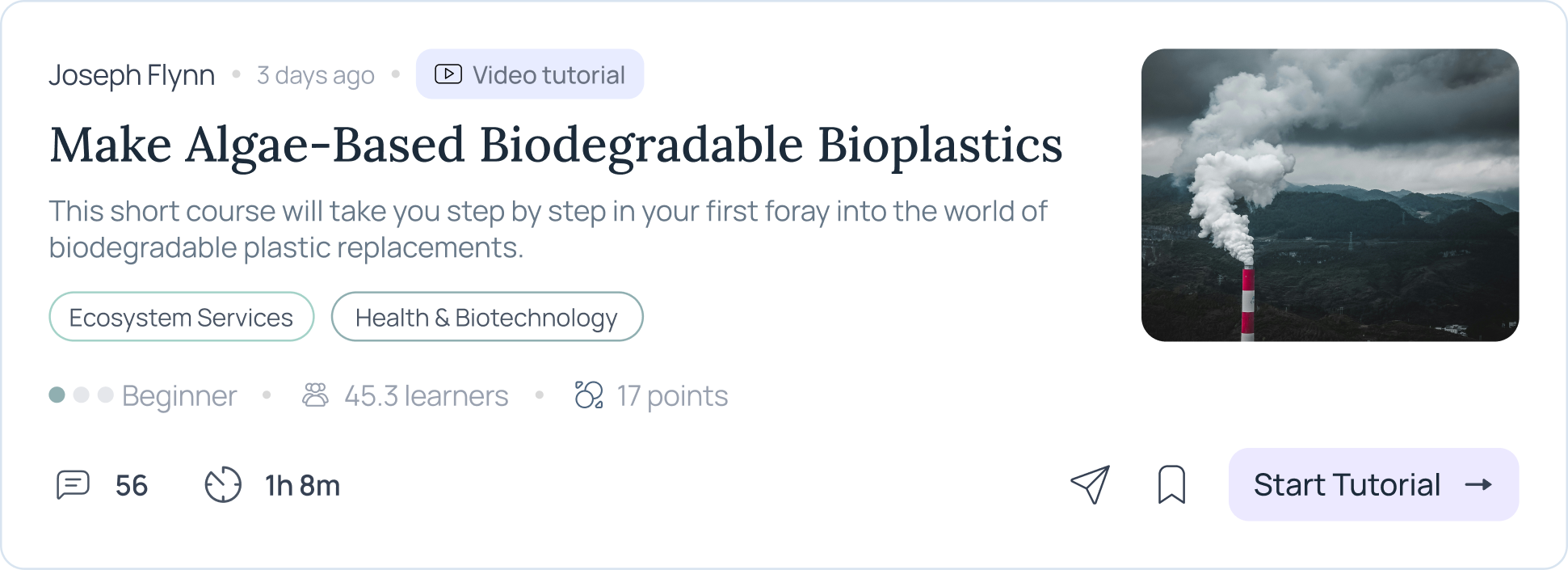
Resource Card Fields:
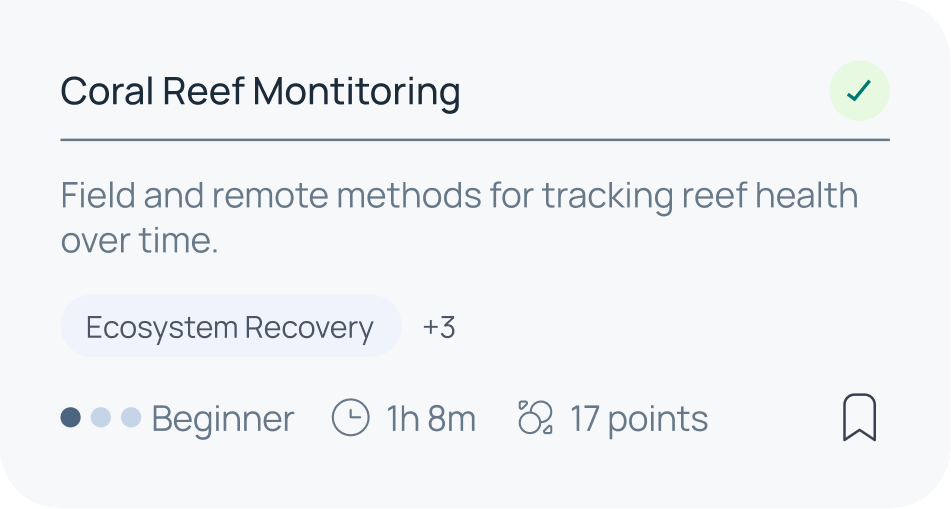
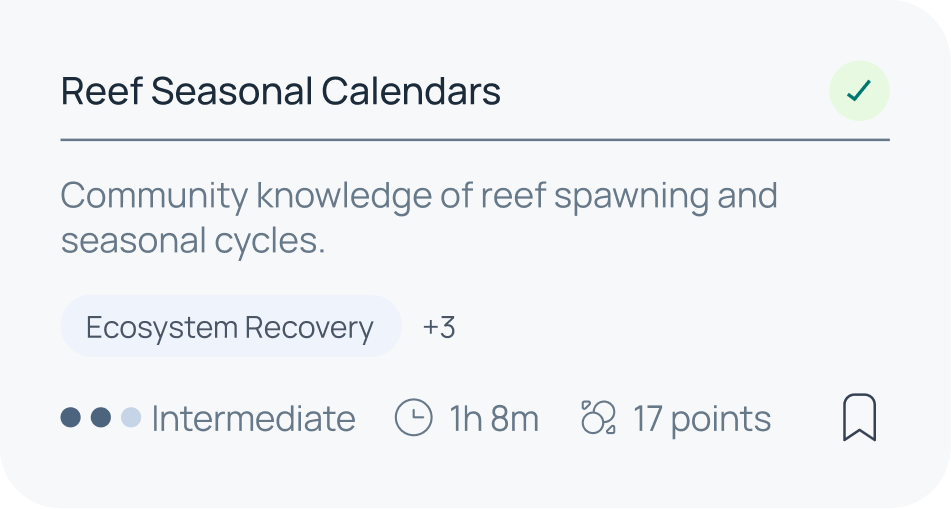
Educational Resources are designed to support different depths of learning.
Learners can begin with introductory resources, move into research summaries and case studies, explore related articles or tutorials, and then connect to projects, open calls, or organisations working in the same area.
01. Introduction
What is regenerative ocean farming?
02 Science
How seaweed, shellfish, and marine ecosystems interact.
03 Applications
Food, biomaterials, ecosystem restoration, blue carbon, and coastal resilience.
04 Case Studies
Examples of regenerative aquaculture, kelp farming, and community-led initiatives.
05 Action Pathways
Related projects, open calls, organisations, tutorials, and funding opportunities.
Ozeaon’s Educational Resources are guided by FAIR principles: Findable, Accessible, Interoperable, and Reusable.
FAIR does not mean every resource is unrestricted. It means knowledge should be structured clearly, accessibly, and responsibly.
Resources are organised by category, topic, tags, metadata, SDGs, content type, and related platform activity.
Resources are designed to be understandable and available to broad audiences wherever appropriate.
Knowledge is structured so it can connect across articles, projects, open calls, organisations, and future intelligence layers.
Resources should support adaptation, remixing, citation, teaching, collaboration, and responsible reuse where licensing allows.
Ozeaon Educational Resources are designed for people who want to understand complex systems and apply that knowledge in meaningful ways.
Start with accessible explanations and build confidence across ocean, climate, land, and sustainability topics.
Help research travel further by connecting specialist knowledge to wider audiences and applied pathways.
Use structured resources, references, case studies, and future quizzes to support teaching and learning.
Use knowledge pathways to develop ideas, understand systems, and connect learning to projects.
Share, reference, and build visibility around knowledge areas connected to their mission and work.
Access knowledge that supports local action, storytelling, observation, participation, and collaboration.
Understand the knowledge context behind projects, topics, and emerging regenerative opportunities.
Educational Resources form the learning backbone of Ozeaon,
but they are not isolated from the rest of the platform.
Resources can link to deeper explanations, research-informed writing, and community-published insights.
Resources can connect users to real initiatives applying related knowledge.
Resources can help users discover grants, accelerators, fellowships, residencies, challenges, and collaboration opportunities.
Resources can connect to organisations working in related knowledge areas.
Resources help users find people, profiles, communities, and future Pods connected to shared topics.
Resources will support interactive learning and Learn2Earn-style participation pathways.
You might also be interested in
Ozeaon is being developed with researchers, educators, innovators, organisations, communities, funders, and partners who believe knowledge should lead to action.
Join early access, explore partnership opportunities, or preview how the platform is being built.